搜尋結果
共
298
筆符合商品
排序

「星月菩提子+紫玉」手珠(6mm/27顆)童款
產品規格 .材質:星月菩提子 6mm × 24顆/紫玉 8mm × 1顆、5mm × 2顆.尺寸:內徑周長約 13公分.重量:約 5公克.產地:印度/南非
注意事項.菩提子為天然材質,每顆顏色、形狀深淺皆不相同,天然寶石有結晶紋路或點,直徑在±0.5mm內,屬於正常現象。.請存放於乾燥陰涼處,避免高溫及撞撃。使用時請儘量避免火源及拉扯。.本產品為量產製程,無法提供穿線服務。.商品圖檔顏色因拍照光線及電腦螢幕差異略有不同,請以實際商品顏色為準。
正確使用念珠
戴念珠本身不是壞事,可是,真正的目的究竟是什麼?我把它分成三種類別加以說明:一種是信仰的,一種是心理的,還有一種是屬於風氣的。站在信仰的角度講,好處很多。因為手上有念珠,就會經常想到自己是個佛教徒,自己的身、口、意等三方面,自然而然都會檢點,不要把佛教徒的形象弄壞了。其次,你掛了念珠,還可以影響其他人。其他人不管是不是佛教徒,如果看到掛念珠的人講話、動作、表情不像是一個佛教徒的表現時,就會有人要求你:「你是一個佛教徒,怎麼也會這個樣子?」提醒掛念珠的人應該檢點。當我們要持誦佛號、咒語時,手上有串念珠也很方便。通常是一串大的、一串小的,大的念珠念一串、小的念珠數一個。大珠、小珠一起算,非常有用。第二種是心理上的作用。有的人掛的念珠是經過出家師父、上師或有修行的人加持過的,他們相信,把加持過的念珠掛在身上,有避邪、化災難為吉祥的作用,這使得戴念珠的人心理上覺得很平安、很安全。這樣也很好,至少心理上不會那麼恐慌。這和有人去神廟裡求護身符或掛在車上的小香袋,作用完全一樣。第三種是時髦、風氣、潮流。這樣的情形也沒有什麼不好,這樣的人漸漸地也很可能成為佛教徒。另外,還有因為自己身體某個部分有障礙,他們相信寶石磁場很強,戴了之後可以調整身體。這種想法是有病除病、沒病強身,念珠變成健康器材。這種心態也沒什麼不好。不過,我想最好的方法還是真正地有信仰,信仰三寶和佛教,而把念珠當作修行佛法時使用的一個道具、器材。──摘自:聖嚴法師《法鼓鐘聲》
NT$
$250
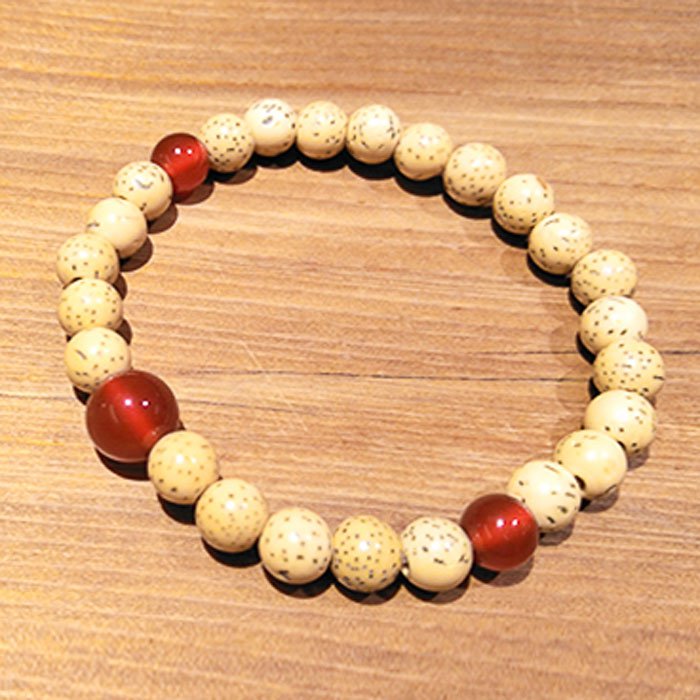
「星月菩提子+紅瑪瑙」手珠(6mm/27顆)童款
產品規格 .材質:星月菩提子 6mm × 24顆/紅瑪瑙 8mm × 1顆、5mm × 2顆.尺寸:內徑周長約 13公分.重量:約 5公克.產地:印度/巴西
注意事項.菩提子為天然材質,每顆顏色、形狀深淺皆不相同,天然寶石有結晶紋路或點,直徑在±0.5mm內,屬於正常現象。.請存放於乾燥陰涼處,避免高溫及撞撃。使用時請儘量避免火源及拉扯。.本產品為量產製程,無法提供穿線服務。.商品圖檔顏色因拍照光線及電腦螢幕差異略有不同,請以實際商品顏色為準。
正確使用念珠
戴念珠本身不是壞事,可是,真正的目的究竟是什麼?我把它分成三種類別加以說明:一種是信仰的,一種是心理的,還有一種是屬於風氣的。站在信仰的角度講,好處很多。因為手上有念珠,就會經常想到自己是個佛教徒,自己的身、口、意等三方面,自然而然都會檢點,不要把佛教徒的形象弄壞了。其次,你掛了念珠,還可以影響其他人。其他人不管是不是佛教徒,如果看到掛念珠的人講話、動作、表情不像是一個佛教徒的表現時,就會有人要求你:「你是一個佛教徒,怎麼也會這個樣子?」提醒掛念珠的人應該檢點。當我們要持誦佛號、咒語時,手上有串念珠也很方便。通常是一串大的、一串小的,大的念珠念一串、小的念珠數一個。大珠、小珠一起算,非常有用。第二種是心理上的作用。有的人掛的念珠是經過出家師父、上師或有修行的人加持過的,他們相信,把加持過的念珠掛在身上,有避邪、化災難為吉祥的作用,這使得戴念珠的人心理上覺得很平安、很安全。這樣也很好,至少心理上不會那麼恐慌。這和有人去神廟裡求護身符或掛在車上的小香袋,作用完全一樣。第三種是時髦、風氣、潮流。這樣的情形也沒有什麼不好,這樣的人漸漸地也很可能成為佛教徒。另外,還有因為自己身體某個部分有障礙,他們相信寶石磁場很強,戴了之後可以調整身體。這種想法是有病除病、沒病強身,念珠變成健康器材。這種心態也沒什麼不好。不過,我想最好的方法還是真正地有信仰,信仰三寶和佛教,而把念珠當作修行佛法時使用的一個道具、器材。──摘自:聖嚴法師《法鼓鐘聲》
NT$
$250

「星月菩提子+紅虎眼」手珠(8mm/24顆)女款
.建議適合手圍:勻稱或偏瘦身型
產品規格 .材質:星月菩提子 8mm × 21顆/紅虎眼 10mm × 1顆、7mm × 2顆.重量:約 12公克.產地:印度/南非
注意事項.菩提子為天然材質,每顆顏色、形狀深淺皆不相同,天然寶石有結晶紋路或點,直徑在±0.5mm內,屬於正常現象。.請存放於乾燥陰涼處,避免高溫及撞撃。使用時請儘量避免火源及拉扯。.本產品為量產製程,無法提供穿線服務。.商品圖檔顏色因拍照光線及電腦螢幕差異略有不同,請以實際商品顏色為準。
正確使用念珠
戴念珠本身不是壞事,可是,真正的目的究竟是什麼?我把它分成三種類別加以說明:一種是信仰的,一種是心理的,還有一種是屬於風氣的。站在信仰的角度講,好處很多。因為手上有念珠,就會經常想到自己是個佛教徒,自己的身、口、意等三方面,自然而然都會檢點,不要把佛教徒的形象弄壞了。其次,你掛了念珠,還可以影響其他人。其他人不管是不是佛教徒,如果看到掛念珠的人講話、動作、表情不像是一個佛教徒的表現時,就會有人要求你:「你是一個佛教徒,怎麼也會這個樣子?」提醒掛念珠的人應該檢點。當我們要持誦佛號、咒語時,手上有串念珠也很方便。通常是一串大的、一串小的,大的念珠念一串、小的念珠數一個。大珠、小珠一起算,非常有用。第二種是心理上的作用。有的人掛的念珠是經過出家師父、上師或有修行的人加持過的,他們相信,把加持過的念珠掛在身上,有避邪、化災難為吉祥的作用,這使得戴念珠的人心理上覺得很平安、很安全。這樣也很好,至少心理上不會那麼恐慌。這和有人去神廟裡求護身符或掛在車上的小香袋,作用完全一樣。第三種是時髦、風氣、潮流。這樣的情形也沒有什麼不好,這樣的人漸漸地也很可能成為佛教徒。另外,還有因為自己身體某個部分有障礙,他們相信寶石磁場很強,戴了之後可以調整身體。這種想法是有病除病、沒病強身,念珠變成健康器材。這種心態也沒什麼不好。不過,我想最好的方法還是真正地有信仰,信仰三寶和佛教,而把念珠當作修行佛法時使用的一個道具、器材。──摘自:聖嚴法師《法鼓鐘聲》
NT$
$360

「星月菩提子+紅瑪瑙」手珠(8mm/24顆)女款
.建議適合手圍:勻稱或偏瘦身型
產品規格 .材質:星月菩提子 8mm × 21顆/紅瑪瑙 10mm × 1顆、7mm × 2顆.重量:約 11公克.產地:印度/巴西
注意事項.菩提子為天然材質,每顆顏色、形狀深淺皆不相同,天然寶石有結晶紋路或點,直徑在±0.5mm內,屬於正常現象。.請存放於乾燥陰涼處,避免高溫及撞撃。使用時請儘量避免火源及拉扯。.本產品為量產製程,無法提供穿線服務。.商品圖檔顏色因拍照光線及電腦螢幕差異略有不同,請以實際商品顏色為準。
正確使用念珠
戴念珠本身不是壞事,可是,真正的目的究竟是什麼?我把它分成三種類別加以說明:一種是信仰的,一種是心理的,還有一種是屬於風氣的。站在信仰的角度講,好處很多。因為手上有念珠,就會經常想到自己是個佛教徒,自己的身、口、意等三方面,自然而然都會檢點,不要把佛教徒的形象弄壞了。其次,你掛了念珠,還可以影響其他人。其他人不管是不是佛教徒,如果看到掛念珠的人講話、動作、表情不像是一個佛教徒的表現時,就會有人要求你:「你是一個佛教徒,怎麼也會這個樣子?」提醒掛念珠的人應該檢點。當我們要持誦佛號、咒語時,手上有串念珠也很方便。通常是一串大的、一串小的,大的念珠念一串、小的念珠數一個。大珠、小珠一起算,非常有用。第二種是心理上的作用。有的人掛的念珠是經過出家師父、上師或有修行的人加持過的,他們相信,把加持過的念珠掛在身上,有避邪、化災難為吉祥的作用,這使得戴念珠的人心理上覺得很平安、很安全。這樣也很好,至少心理上不會那麼恐慌。這和有人去神廟裡求護身符或掛在車上的小香袋,作用完全一樣。第三種是時髦、風氣、潮流。這樣的情形也沒有什麼不好,這樣的人漸漸地也很可能成為佛教徒。另外,還有因為自己身體某個部分有障礙,他們相信寶石磁場很強,戴了之後可以調整身體。這種想法是有病除病、沒病強身,念珠變成健康器材。這種心態也沒什麼不好。不過,我想最好的方法還是真正地有信仰,信仰三寶和佛教,而把念珠當作修行佛法時使用的一個道具、器材。──摘自:聖嚴法師《法鼓鐘聲》
NT$
$360

「星月菩提子+紫玉」手珠(8mm/24顆)女款
.建議適合手圍:勻稱或偏瘦身型
產品規格 .材質:星月菩提子 8mm × 21顆/紫玉 10mm × 1顆、7mm × 2顆.重量:約 12公克.產地:印度/南非
注意事項.菩提子為天然材質,每顆顏色、形狀深淺皆不相同,天然寶石有結晶紋路或點,直徑在±0.5mm內,屬於正常現象。.請存放於乾燥陰涼處,避免高溫及撞撃。使用時請儘量避免火源及拉扯。.本產品為量產製程,無法提供穿線服務。.商品圖檔顏色因拍照光線及電腦螢幕差異略有不同,請以實際商品顏色為準。
正確使用念珠
戴念珠本身不是壞事,可是,真正的目的究竟是什麼?我把它分成三種類別加以說明:一種是信仰的,一種是心理的,還有一種是屬於風氣的。站在信仰的角度講,好處很多。因為手上有念珠,就會經常想到自己是個佛教徒,自己的身、口、意等三方面,自然而然都會檢點,不要把佛教徒的形象弄壞了。其次,你掛了念珠,還可以影響其他人。其他人不管是不是佛教徒,如果看到掛念珠的人講話、動作、表情不像是一個佛教徒的表現時,就會有人要求你:「你是一個佛教徒,怎麼也會這個樣子?」提醒掛念珠的人應該檢點。當我們要持誦佛號、咒語時,手上有串念珠也很方便。通常是一串大的、一串小的,大的念珠念一串、小的念珠數一個。大珠、小珠一起算,非常有用。第二種是心理上的作用。有的人掛的念珠是經過出家師父、上師或有修行的人加持過的,他們相信,把加持過的念珠掛在身上,有避邪、化災難為吉祥的作用,這使得戴念珠的人心理上覺得很平安、很安全。這樣也很好,至少心理上不會那麼恐慌。這和有人去神廟裡求護身符或掛在車上的小香袋,作用完全一樣。第三種是時髦、風氣、潮流。這樣的情形也沒有什麼不好,這樣的人漸漸地也很可能成為佛教徒。另外,還有因為自己身體某個部分有障礙,他們相信寶石磁場很強,戴了之後可以調整身體。這種想法是有病除病、沒病強身,念珠變成健康器材。這種心態也沒什麼不好。不過,我想最好的方法還是真正地有信仰,信仰三寶和佛教,而把念珠當作修行佛法時使用的一個道具、器材。──摘自:聖嚴法師《法鼓鐘聲》
NT$
$360

「星月菩提子+東菱玉」手珠(10mm/21顆)女款
.建議適合手圍:勻稱或豐滿身型
產品規格 .材質:星月菩提子 10mm × 18顆/東菱玉 12mm × 1顆、8mm × 2顆.重量:約 17公克.產地:印度/南非
注意事項.菩提子為天然材質,每顆顏色、形狀深淺皆不相同,天然寶石有結晶紋路或點,直徑在±0.5mm內,屬於正常現象。.請存放於乾燥陰涼處,避免高溫及撞撃。使用時請儘量避免火源及拉扯。.本產品為量產製程,無法提供穿線服務。.商品圖檔顏色因拍照光線及電腦螢幕差異略有不同,請以實際商品顏色為準。
正確使用念珠
戴念珠本身不是壞事,可是,真正的目的究竟是什麼?我把它分成三種類別加以說明:一種是信仰的,一種是心理的,還有一種是屬於風氣的。站在信仰的角度講,好處很多。因為手上有念珠,就會經常想到自己是個佛教徒,自己的身、口、意等三方面,自然而然都會檢點,不要把佛教徒的形象弄壞了。其次,你掛了念珠,還可以影響其他人。其他人不管是不是佛教徒,如果看到掛念珠的人講話、動作、表情不像是一個佛教徒的表現時,就會有人要求你:「你是一個佛教徒,怎麼也會這個樣子?」提醒掛念珠的人應該檢點。當我們要持誦佛號、咒語時,手上有串念珠也很方便。通常是一串大的、一串小的,大的念珠念一串、小的念珠數一個。大珠、小珠一起算,非常有用。第二種是心理上的作用。有的人掛的念珠是經過出家師父、上師或有修行的人加持過的,他們相信,把加持過的念珠掛在身上,有避邪、化災難為吉祥的作用,這使得戴念珠的人心理上覺得很平安、很安全。這樣也很好,至少心理上不會那麼恐慌。這和有人去神廟裡求護身符或掛在車上的小香袋,作用完全一樣。第三種是時髦、風氣、潮流。這樣的情形也沒有什麼不好,這樣的人漸漸地也很可能成為佛教徒。另外,還有因為自己身體某個部分有障礙,他們相信寶石磁場很強,戴了之後可以調整身體。這種想法是有病除病、沒病強身,念珠變成健康器材。這種心態也沒什麼不好。不過,我想最好的方法還是真正地有信仰,信仰三寶和佛教,而把念珠當作修行佛法時使用的一個道具、器材。──摘自:聖嚴法師《法鼓鐘聲》
NT$
$450

「星月菩提子+黃虎眼」手珠(10mm/21顆)女款
.建議適合手圍:勻稱或豐滿身型
產品規格 .材質:星月菩提子 10mm × 18顆/黃虎眼 12mm × 1顆、8mm × 2顆.重量:約 17公克.產地:印度/南非
注意事項.菩提子為天然材質,每顆顏色、形狀深淺皆不相同,天然寶石有結晶紋路或點,直徑在±0.5mm內,屬於正常現象。.請存放於乾燥陰涼處,避免高溫及撞撃。使用時請儘量避免火源及拉扯。.本產品為量產製程,無法提供穿線服務。.商品圖檔顏色因拍照光線及電腦螢幕差異略有不同,請以實際商品顏色為準。
正確使用念珠
戴念珠本身不是壞事,可是,真正的目的究竟是什麼?我把它分成三種類別加以說明:一種是信仰的,一種是心理的,還有一種是屬於風氣的。站在信仰的角度講,好處很多。因為手上有念珠,就會經常想到自己是個佛教徒,自己的身、口、意等三方面,自然而然都會檢點,不要把佛教徒的形象弄壞了。其次,你掛了念珠,還可以影響其他人。其他人不管是不是佛教徒,如果看到掛念珠的人講話、動作、表情不像是一個佛教徒的表現時,就會有人要求你:「你是一個佛教徒,怎麼也會這個樣子?」提醒掛念珠的人應該檢點。當我們要持誦佛號、咒語時,手上有串念珠也很方便。通常是一串大的、一串小的,大的念珠念一串、小的念珠數一個。大珠、小珠一起算,非常有用。第二種是心理上的作用。有的人掛的念珠是經過出家師父、上師或有修行的人加持過的,他們相信,把加持過的念珠掛在身上,有避邪、化災難為吉祥的作用,這使得戴念珠的人心理上覺得很平安、很安全。這樣也很好,至少心理上不會那麼恐慌。這和有人去神廟裡求護身符或掛在車上的小香袋,作用完全一樣。第三種是時髦、風氣、潮流。這樣的情形也沒有什麼不好,這樣的人漸漸地也很可能成為佛教徒。另外,還有因為自己身體某個部分有障礙,他們相信寶石磁場很強,戴了之後可以調整身體。這種想法是有病除病、沒病強身,念珠變成健康器材。這種心態也沒什麼不好。不過,我想最好的方法還是真正地有信仰,信仰三寶和佛教,而把念珠當作修行佛法時使用的一個道具、器材。──摘自:聖嚴法師《法鼓鐘聲》
NT$
$450

「星月菩提子+紅瑪瑙」念珠(6mm/108顆)
產品規格 .材質:星月菩提子 6mm × 108顆/紅瑪瑙 7mm × 3顆.重量:約 16公克.產地:印度/巴西
注意事項.菩提子為天然材質,每顆顏色、形狀深淺皆不相同,天然寶石有結晶紋路或點,直徑在±0.5mm內,屬於正常現象。.請存放於乾燥陰涼處,避免高溫及撞撃。使用時請儘量避免火源及拉扯。.本產品為量產製程,無法提供穿線服務。.商品圖檔顏色因拍照光線及電腦螢幕差異略有不同,請以實際商品顏色為準。
正確使用念珠
戴念珠本身不是壞事,可是,真正的目的究竟是什麼?我把它分成三種類別加以說明:一種是信仰的,一種是心理的,還有一種是屬於風氣的。站在信仰的角度講,好處很多。因為手上有念珠,就會經常想到自己是個佛教徒,自己的身、口、意等三方面,自然而然都會檢點,不要把佛教徒的形象弄壞了。其次,你掛了念珠,還可以影響其他人。其他人不管是不是佛教徒,如果看到掛念珠的人講話、動作、表情不像是一個佛教徒的表現時,就會有人要求你:「你是一個佛教徒,怎麼也會這個樣子?」提醒掛念珠的人應該檢點。當我們要持誦佛號、咒語時,手上有串念珠也很方便。通常是一串大的、一串小的,大的念珠念一串、小的念珠數一個。大珠、小珠一起算,非常有用。第二種是心理上的作用。有的人掛的念珠是經過出家師父、上師或有修行的人加持過的,他們相信,把加持過的念珠掛在身上,有避邪、化災難為吉祥的作用,這使得戴念珠的人心理上覺得很平安、很安全。這樣也很好,至少心理上不會那麼恐慌。這和有人去神廟裡求護身符或掛在車上的小香袋,作用完全一樣。第三種是時髦、風氣、潮流。這樣的情形也沒有什麼不好,這樣的人漸漸地也很可能成為佛教徒。另外,還有因為自己身體某個部分有障礙,他們相信寶石磁場很強,戴了之後可以調整身體。這種想法是有病除病、沒病強身,念珠變成健康器材。這種心態也沒什麼不好。不過,我想最好的方法還是真正地有信仰,信仰三寶和佛教,而把念珠當作修行佛法時使用的一個道具、器材。──摘自:聖嚴法師《法鼓鐘聲》
NT$
$780

「星月菩提子+東菱玉」念珠(6mm/108顆)
產品規格 .材質:星月菩提子 6mm x 108顆/東菱玉 7mm x 3顆.重量:約 17公克.產地:印度/南非
注意事項.菩提子為天然材質,每顆顏色、形狀深淺皆不相同,天然寶石有結晶紋路或點,直徑在±0.5mm內,屬於正常現象。.請存放於乾燥陰涼處,避免高溫及撞撃。使用時請儘量避免火源及拉扯。.本產品為量產製程,無法提供穿線服務。.商品圖檔顏色因拍照光線及電腦螢幕差異略有不同,請以實際商品顏色為準。
正確使用念珠
戴念珠本身不是壞事,可是,真正的目的究竟是什麼?我把它分成三種類別加以說明:一種是信仰的,一種是心理的,還有一種是屬於風氣的。站在信仰的角度講,好處很多。因為手上有念珠,就會經常想到自己是個佛教徒,自己的身、口、意等三方面,自然而然都會檢點,不要把佛教徒的形象弄壞了。其次,你掛了念珠,還可以影響其他人。其他人不管是不是佛教徒,如果看到掛念珠的人講話、動作、表情不像是一個佛教徒的表現時,就會有人要求你:「你是一個佛教徒,怎麼也會這個樣子?」提醒掛念珠的人應該檢點。當我們要持誦佛號、咒語時,手上有串念珠也很方便。通常是一串大的、一串小的,大的念珠念一串、小的念珠數一個。大珠、小珠一起算,非常有用。第二種是心理上的作用。有的人掛的念珠是經過出家師父、上師或有修行的人加持過的,他們相信,把加持過的念珠掛在身上,有避邪、化災難為吉祥的作用,這使得戴念珠的人心理上覺得很平安、很安全。這樣也很好,至少心理上不會那麼恐慌。這和有人去神廟裡求護身符或掛在車上的小香袋,作用完全一樣。第三種是時髦、風氣、潮流。這樣的情形也沒有什麼不好,這樣的人漸漸地也很可能成為佛教徒。另外,還有因為自己身體某個部分有障礙,他們相信寶石磁場很強,戴了之後可以調整身體。這種想法是有病除病、沒病強身,念珠變成健康器材。這種心態也沒什麼不好。不過,我想最好的方法還是真正地有信仰,信仰三寶和佛教,而把念珠當作修行佛法時使用的一個道具、器材。──摘自:聖嚴法師《法鼓鐘聲》
NT$
$780

「星月菩提子+黃虎眼」念珠(5×7mm扁珠/108顆)
產品規格 .材質:星月菩提子扁珠 5×7mm × 108顆/黃虎眼 8mm × 3顆.重量:約 21公克.產地:印度/南非
注意事項.菩提子為天然材質,每顆顏色、形狀深淺皆不相同,天然寶石有結晶紋路或點,直徑在±0.5mm內,屬於正常現象。.請存放於乾燥陰涼處,避免高溫及撞撃。使用時請儘量避免火源及拉扯。.本產品為量產製程,無法提供穿線服務。.商品圖檔顏色因拍照光線及電腦螢幕差異略有不同,請以實際商品顏色為準。
正確使用念珠
戴念珠本身不是壞事,可是,真正的目的究竟是什麼?我把它分成三種類別加以說明:一種是信仰的,一種是心理的,還有一種是屬於風氣的。站在信仰的角度講,好處很多。因為手上有念珠,就會經常想到自己是個佛教徒,自己的身、口、意等三方面,自然而然都會檢點,不要把佛教徒的形象弄壞了。其次,你掛了念珠,還可以影響其他人。其他人不管是不是佛教徒,如果看到掛念珠的人講話、動作、表情不像是一個佛教徒的表現時,就會有人要求你:「你是一個佛教徒,怎麼也會這個樣子?」提醒掛念珠的人應該檢點。當我們要持誦佛號、咒語時,手上有串念珠也很方便。通常是一串大的、一串小的,大的念珠念一串、小的念珠數一個。大珠、小珠一起算,非常有用。第二種是心理上的作用。有的人掛的念珠是經過出家師父、上師或有修行的人加持過的,他們相信,把加持過的念珠掛在身上,有避邪、化災難為吉祥的作用,這使得戴念珠的人心理上覺得很平安、很安全。這樣也很好,至少心理上不會那麼恐慌。這和有人去神廟裡求護身符或掛在車上的小香袋,作用完全一樣。第三種是時髦、風氣、潮流。這樣的情形也沒有什麼不好,這樣的人漸漸地也很可能成為佛教徒。另外,還有因為自己身體某個部分有障礙,他們相信寶石磁場很強,戴了之後可以調整身體。這種想法是有病除病、沒病強身,念珠變成健康器材。這種心態也沒什麼不好。不過,我想最好的方法還是真正地有信仰,信仰三寶和佛教,而把念珠當作修行佛法時使用的一個道具、器材。──摘自:聖嚴法師《法鼓鐘聲》
NT$
$1,080

「星月菩提子+東菱玉」念珠(5×7mm扁珠/108顆)
產品規格 .材質:星月菩提子扁珠 5x7mm × 108顆/東菱玉 8mm × 3顆.重量:約 24公克.產地:印度/南非
注意事項.菩提子為天然材質,每顆顏色、形狀深淺皆不相同,天然寶石有結晶紋路或點,直徑在±0.5mm內,屬於正常現象。.請存放於乾燥陰涼處,避免高溫及撞撃。使用時請儘量避免火源及拉扯。.本產品為量產製程,無法提供穿線服務。.商品圖檔顏色因拍照光線及電腦螢幕差異略有不同,請以實際商品顏色為準。
正確使用念珠
戴念珠本身不是壞事,可是,真正的目的究竟是什麼?我把它分成三種類別加以說明:一種是信仰的,一種是心理的,還有一種是屬於風氣的。站在信仰的角度講,好處很多。因為手上有念珠,就會經常想到自己是個佛教徒,自己的身、口、意等三方面,自然而然都會檢點,不要把佛教徒的形象弄壞了。其次,你掛了念珠,還可以影響其他人。其他人不管是不是佛教徒,如果看到掛念珠的人講話、動作、表情不像是一個佛教徒的表現時,就會有人要求你:「你是一個佛教徒,怎麼也會這個樣子?」提醒掛念珠的人應該檢點。當我們要持誦佛號、咒語時,手上有串念珠也很方便。通常是一串大的、一串小的,大的念珠念一串、小的念珠數一個。大珠、小珠一起算,非常有用。第二種是心理上的作用。有的人掛的念珠是經過出家師父、上師或有修行的人加持過的,他們相信,把加持過的念珠掛在身上,有避邪、化災難為吉祥的作用,這使得戴念珠的人心理上覺得很平安、很安全。這樣也很好,至少心理上不會那麼恐慌。這和有人去神廟裡求護身符或掛在車上的小香袋,作用完全一樣。第三種是時髦、風氣、潮流。這樣的情形也沒有什麼不好,這樣的人漸漸地也很可能成為佛教徒。另外,還有因為自己身體某個部分有障礙,他們相信寶石磁場很強,戴了之後可以調整身體。這種想法是有病除病、沒病強身,念珠變成健康器材。這種心態也沒什麼不好。不過,我想最好的方法還是真正地有信仰,信仰三寶和佛教,而把念珠當作修行佛法時使用的一個道具、器材。──摘自:聖嚴法師《法鼓鐘聲》
NT$
$1,080

The Infinite Mirror 寶鏡無境(英文版)
Here is the inimitable Master Sheng Yen at his best, illuminating the ancient texts of the Chinese Zen tradition to show how wonderfully practical they really are, even for us today. The texts, written by two of the founders of the Ts’ao-tung sect of Chan Buddhism, are poems entitled Inquiry into Matching Halves and Song of the Precious Mirror Samadhi. Both emphasize the Chan view that wisdom is not separate from vexation, and both speak of the levels of awareness through which one must pass on the way to realization. Both are also works of Buddhist philosophy that can serve as guides to spiritual practice for anyone.
作者
NT$
$646
|
85折

一顆橡實
因為一顆橡實,所以有了一棵樹、有了鳥巢……甚至,才有種子變成花朵。本書牽著讀者的手走過森林小徑,細看大自然中從一顆橡實起始的美妙連結。就從這一顆橡實開始,珍重地球上的每個生命。大自然中,生物之間緊密關聯,缺一不可。這本生態繪本像一首詩,利用一致的精巧句型和首尾頁挖洞設計,點出每頁看似靜謐而又生機蓬勃的生態變化。書中簡單的「因為……所以……」重複邏輯句型除了快速讓孩子了解生態系中不同物種間的關係,同時也引導孩子觀察圖像,看背景中有哪些生物,並猜猜下頁會出現什麼。藉此幫助孩子推敲出上下句間較為抽象的時間間隔和自然中的動態變化,理解食物鏈與動物行為等概念。書末附有生態介紹文章,帶孩子深入認識一座森林中的生物,並學習如何從日常生活中保護森林。
作者簡介
蘿拉.薛弗美國童書作家,已出版280餘本書籍,有18年的教學經驗。作品曾獲多項兒童文學獎項,例如夏洛特.佐羅托童書獎。她和先生泰德住在北喬治亞州的山區,喜歡在林間散步,留意周遭的所有事物──從小巧的橡實,到高大的橡樹。當蘿拉不在家中工作時,她會四處參訪學校,帶孩子們一起寫作。亞當.薛弗亞當和母親蘿拉一樣是童書作家,創作了數十本童書。這是他第一次和母親共同創作。亞當白天在市立政府機關工作,利用夜間寫作。他從小就喜歡爬樹,到現在還是一樣。
繪者簡介
弗蘭.布萊斯登-佳農居住在倫敦的插畫家與設計師。畢業於英國金斯頓大學。2011年,她獲選加入桑達克交流計畫,在圖畫書大師莫里斯.桑達克身邊學習一個月。她的作品曾獲英國水石書店兒童書獎提名,並入圍格林威大獎。
譯者簡介
凌拂目前專事寫作,著有《世人只有一隻眼》、《與荒野相遇》、《山.城草木疏》、《甲乙丙丁:十七個寬容等待的教學故事》、《帶不走的小蝸牛》等,曾獲聯合報文學獎、時報文學獎、開卷好書獎、洪建全兒童文學獎等獎項。為一自然崇拜者,曾索居深山,靜觀人世間的種種流變,一切有如細草微風;或消或長,唯有自然的嬗遞盡在無聲之中。其面對生命,有兩種滋養源源不斷,一是文字,一是自然。文字令其深入;自然令其出離。近年這兩種滋養逐漸匯聚,讓她在佛學裡安頓。
NT$
$255
|
85折

平安「檜木」念珠(8mm/108顆)
產品規格.材質:天然檜木珠(黃檜) 約 8mm x 108顆 + 12mm x 3顆 + 16mm x 1顆.尺寸:內徑周長約 87公分.重量:約18公克.產地:台灣製造
注意事項.木珠為天然材質,每顆顏色、紋路、烙印深淺皆不相同,屬正常現象。.木珠為手工車製,每顆尺寸稍有差異,屬正常現象。.結繩為消耗材,斷繩請自行更換。.因光線關係,圖片顏色略有差異,請以實際商品為主。
正確使用念珠
戴念珠本身不是壞事,可是,真正的目的究竟是什麼?我把它分成三種類別加以說明:一種是信仰的,一種是心理的,還有一種是屬於風氣的。站在信仰的角度講,好處很多。因為手上有念珠,就會經常想到自己是個佛教徒,自己的身、口、意等三方面,自然而然都會檢點,不要把佛教徒的形象弄壞了。其次,你掛了念珠,還可以影響其他人。其他人不管是不是佛教徒,如果看到掛念珠的人講話、動作、表情不像是一個佛教徒的表現時,就會有人要求你:「你是一個佛教徒,怎麼也會這個樣子?」提醒掛念珠的人應該檢點。當我們要持誦佛號、咒語時,手上有串念珠也很方便。通常是一串大的、一串小的,大的念珠念一串、小的念珠數一個。大珠、小珠一起算,非常有用。第二種是心理上的作用。有的人掛的念珠是經過出家師父、上師或有修行的人加持過的,他們相信,把加持過的念珠掛在身上,有避邪、化災難為吉祥的作用,這使得戴念珠的人心理上覺得很平安、很安全。這樣也很好,至少心理上不會那麼恐慌。這和有人去神廟裡求護身符或掛在車上的小香袋,作用完全一樣。第三種是時髦、風氣、潮流。這樣的情形也沒有什麼不好,這樣的人漸漸地也很可能成為佛教徒。另外,還有因為自己身體某個部分有障礙,他們相信寶石磁場很強,戴了之後可以調整身體。這種想法是有病除病、沒病強身,念珠變成健康器材。這種心態也沒什麼不好。不過,我想最好的方法還是真正地有信仰,信仰三寶和佛教,而把念珠當作修行佛法時使用的一個道具、器材。──摘自:聖嚴法師《法鼓鐘聲》
NT$
$850

平安「檜木」念珠(6mm/108顆)
產品規格.材質:天然檜木珠(黃檜) 6mm x 108顆 / 8mm x 3顆 / 12mm x 1顆.尺寸:內徑周長約 63公分.重量:約 6.3公克.產地:台灣製造
注意事項.木珠為天然材質,每顆顏色、紋路、烙印深淺皆不相同,屬正常現象。.木珠為手工車製,每顆尺寸稍有差異,屬正常現象。.結繩為消耗材,斷繩請自行更換。.因光線關係,圖片顏色略有差異,請以實際商品為主。
正確使用念珠
戴念珠本身不是壞事,可是,真正的目的究竟是什麼?我把它分成三種類別加以說明:一種是信仰的,一種是心理的,還有一種是屬於風氣的。站在信仰的角度講,好處很多。因為手上有念珠,就會經常想到自己是個佛教徒,自己的身、口、意等三方面,自然而然都會檢點,不要把佛教徒的形象弄壞了。其次,你掛了念珠,還可以影響其他人。其他人不管是不是佛教徒,如果看到掛念珠的人講話、動作、表情不像是一個佛教徒的表現時,就會有人要求你:「你是一個佛教徒,怎麼也會這個樣子?」提醒掛念珠的人應該檢點。當我們要持誦佛號、咒語時,手上有串念珠也很方便。通常是一串大的、一串小的,大的念珠念一串、小的念珠數一個。大珠、小珠一起算,非常有用。第二種是心理上的作用。有的人掛的念珠是經過出家師父、上師或有修行的人加持過的,他們相信,把加持過的念珠掛在身上,有避邪、化災難為吉祥的作用,這使得戴念珠的人心理上覺得很平安、很安全。這樣也很好,至少心理上不會那麼恐慌。這和有人去神廟裡求護身符或掛在車上的小香袋,作用完全一樣。第三種是時髦、風氣、潮流。這樣的情形也沒有什麼不好,這樣的人漸漸地也很可能成為佛教徒。另外,還有因為自己身體某個部分有障礙,他們相信寶石磁場很強,戴了之後可以調整身體。這種想法是有病除病、沒病強身,念珠變成健康器材。這種心態也沒什麼不好。不過,我想最好的方法還是真正地有信仰,信仰三寶和佛教,而把念珠當作修行佛法時使用的一個道具、器材。──摘自:聖嚴法師《法鼓鐘聲》
NT$
$750

平安「檜木」手珠(20mm大尺寸/12顆)男款
.建議適合手圍:壯實身型產品規格.材質:天然檜木珠(黃檜) 20mm x 11顆 + 20mm x 1顆.尺寸:內徑周長約 18公分.重量:約 25公克.產地:台灣製造
注意事項.木珠為天然材質,每顆顏色、紋路、烙印深淺皆不相同,屬正常現象。.木珠為手工車製,每顆尺寸稍有差異,屬正常現象。.結繩為消耗材,斷繩請自行更換。.因光線關係,圖片顏色略有差異,請以實際商品為主。
正確使用念珠
戴念珠本身不是壞事,可是,真正的目的究竟是什麼?我把它分成三種類別加以說明:一種是信仰的,一種是心理的,還有一種是屬於風氣的。站在信仰的角度講,好處很多。因為手上有念珠,就會經常想到自己是個佛教徒,自己的身、口、意等三方面,自然而然都會檢點,不要把佛教徒的形象弄壞了。其次,你掛了念珠,還可以影響其他人。其他人不管是不是佛教徒,如果看到掛念珠的人講話、動作、表情不像是一個佛教徒的表現時,就會有人要求你:「你是一個佛教徒,怎麼也會這個樣子?」提醒掛念珠的人應該檢點。當我們要持誦佛號、咒語時,手上有串念珠也很方便。通常是一串大的、一串小的,大的念珠念一串、小的念珠數一個。大珠、小珠一起算,非常有用。第二種是心理上的作用。有的人掛的念珠是經過出家師父、上師或有修行的人加持過的,他們相信,把加持過的念珠掛在身上,有避邪、化災難為吉祥的作用,這使得戴念珠的人心理上覺得很平安、很安全。這樣也很好,至少心理上不會那麼恐慌。這和有人去神廟裡求護身符或掛在車上的小香袋,作用完全一樣。第三種是時髦、風氣、潮流。這樣的情形也沒有什麼不好,這樣的人漸漸地也很可能成為佛教徒。另外,還有因為自己身體某個部分有障礙,他們相信寶石磁場很強,戴了之後可以調整身體。這種想法是有病除病、沒病強身,念珠變成健康器材。這種心態也沒什麼不好。不過,我想最好的方法還是真正地有信仰,信仰三寶和佛教,而把念珠當作修行佛法時使用的一個道具、器材。──摘自:聖嚴法師《法鼓鐘聲》
NT$
$420

平安「檜木」手珠(16mm大尺寸/15顆)男款
.建議適合手圍:勻稱或高大身型產品規格.材質:天然檜木珠(黃檜) 16mm x 14顆 / 16mm x 1顆.尺寸:內徑周長約 18.5公分.重量:約 16公克.產地:臺灣製造
注意事項.木珠為天然材質,每顆顏色、紋路、烙印深淺皆不相同,屬正常現象。.木珠為手工車製,每顆尺寸稍有差異,屬正常現象。.結繩為消耗材,斷繩請自行更換。.因光線關係,圖片顏色略有差異,請以實際商品為主。
正確使用念珠
戴念珠本身不是壞事,可是,真正的目的究竟是什麼?我把它分成三種類別加以說明:一種是信仰的,一種是心理的,還有一種是屬於風氣的。站在信仰的角度講,好處很多。因為手上有念珠,就會經常想到自己是個佛教徒,自己的身、口、意等三方面,自然而然都會檢點,不要把佛教徒的形象弄壞了。其次,你掛了念珠,還可以影響其他人。其他人不管是不是佛教徒,如果看到掛念珠的人講話、動作、表情不像是一個佛教徒的表現時,就會有人要求你:「你是一個佛教徒,怎麼也會這個樣子?」提醒掛念珠的人應該檢點。當我們要持誦佛號、咒語時,手上有串念珠也很方便。通常是一串大的、一串小的,大的念珠念一串、小的念珠數一個。大珠、小珠一起算,非常有用。第二種是心理上的作用。有的人掛的念珠是經過出家師父、上師或有修行的人加持過的,他們相信,把加持過的念珠掛在身上,有避邪、化災難為吉祥的作用,這使得戴念珠的人心理上覺得很平安、很安全。這樣也很好,至少心理上不會那麼恐慌。這和有人去神廟裡求護身符或掛在車上的小香袋,作用完全一樣。第三種是時髦、風氣、潮流。這樣的情形也沒有什麼不好,這樣的人漸漸地也很可能成為佛教徒。另外,還有因為自己身體某個部分有障礙,他們相信寶石磁場很強,戴了之後可以調整身體。這種想法是有病除病、沒病強身,念珠變成健康器材。這種心態也沒什麼不好。不過,我想最好的方法還是真正地有信仰,信仰三寶和佛教,而把念珠當作修行佛法時使用的一個道具、器材。──摘自:聖嚴法師《法鼓鐘聲》
NT$
$280

平安「檜木」手珠(12mm/18顆)男款
.建議適合手圍:偏瘦身型產品規格.材質:天然檜木珠(黃檜) 約12mm x 17顆 + 12mm x 1顆.尺寸:內徑周長約 17 公分.重量:約 8.5公克.產地:台灣製造
注意事項.木珠為天然材質,每顆顏色、紋路、烙印深淺皆不相同,屬正常現象。.木珠為手工車製,每顆尺寸稍有差異,屬正常現象。.結繩為消耗材,斷繩請自行更換。.因光線關係,圖片顏色略有差異,請以實際商品為主。
正確使用念珠
戴念珠本身不是壞事,可是,真正的目的究竟是什麼?我把它分成三種類別加以說明:一種是信仰的,一種是心理的,還有一種是屬於風氣的。站在信仰的角度講,好處很多。因為手上有念珠,就會經常想到自己是個佛教徒,自己的身、口、意等三方面,自然而然都會檢點,不要把佛教徒的形象弄壞了。其次,你掛了念珠,還可以影響其他人。其他人不管是不是佛教徒,如果看到掛念珠的人講話、動作、表情不像是一個佛教徒的表現時,就會有人要求你:「你是一個佛教徒,怎麼也會這個樣子?」提醒掛念珠的人應該檢點。當我們要持誦佛號、咒語時,手上有串念珠也很方便。通常是一串大的、一串小的,大的念珠念一串、小的念珠數一個。大珠、小珠一起算,非常有用。第二種是心理上的作用。有的人掛的念珠是經過出家師父、上師或有修行的人加持過的,他們相信,把加持過的念珠掛在身上,有避邪、化災難為吉祥的作用,這使得戴念珠的人心理上覺得很平安、很安全。這樣也很好,至少心理上不會那麼恐慌。這和有人去神廟裡求護身符或掛在車上的小香袋,作用完全一樣。第三種是時髦、風氣、潮流。這樣的情形也沒有什麼不好,這樣的人漸漸地也很可能成為佛教徒。另外,還有因為自己身體某個部分有障礙,他們相信寶石磁場很強,戴了之後可以調整身體。這種想法是有病除病、沒病強身,念珠變成健康器材。這種心態也沒什麼不好。不過,我想最好的方法還是真正地有信仰,信仰三寶和佛教,而把念珠當作修行佛法時使用的一個道具、器材。──摘自:聖嚴法師《法鼓鐘聲》
NT$
$240

平安「檜木」手珠(8mm/24顆)女款
.建議適合手圍:勻稱或偏瘦身型產品規格.材質:天然檜木珠(黃檜) 8mm x 23顆 / 12mm x 1顆.尺寸:內徑周長約 16.5公分.重量:約 5公克.產地:臺灣製造
注意事項.木珠為天然材質,每顆顏色、紋路、烙印深淺皆不相同,屬正常現象。.木珠為手工車製,每顆尺寸稍有差異,屬正常現象。.結繩為消耗材,斷繩請自行更換。.因光線關係,圖片顏色略有差異,請以實際商品為主。
正確使用念珠
戴念珠本身不是壞事,可是,真正的目的究竟是什麼?我把它分成三種類別加以說明:一種是信仰的,一種是心理的,還有一種是屬於風氣的。站在信仰的角度講,好處很多。因為手上有念珠,就會經常想到自己是個佛教徒,自己的身、口、意等三方面,自然而然都會檢點,不要把佛教徒的形象弄壞了。其次,你掛了念珠,還可以影響其他人。其他人不管是不是佛教徒,如果看到掛念珠的人講話、動作、表情不像是一個佛教徒的表現時,就會有人要求你:「你是一個佛教徒,怎麼也會這個樣子?」提醒掛念珠的人應該檢點。當我們要持誦佛號、咒語時,手上有串念珠也很方便。通常是一串大的、一串小的,大的念珠念一串、小的念珠數一個。大珠、小珠一起算,非常有用。第二種是心理上的作用。有的人掛的念珠是經過出家師父、上師或有修行的人加持過的,他們相信,把加持過的念珠掛在身上,有避邪、化災難為吉祥的作用,這使得戴念珠的人心理上覺得很平安、很安全。這樣也很好,至少心理上不會那麼恐慌。這和有人去神廟裡求護身符或掛在車上的小香袋,作用完全一樣。第三種是時髦、風氣、潮流。這樣的情形也沒有什麼不好,這樣的人漸漸地也很可能成為佛教徒。另外,還有因為自己身體某個部分有障礙,他們相信寶石磁場很強,戴了之後可以調整身體。這種想法是有病除病、沒病強身,念珠變成健康器材。這種心態也沒什麼不好。不過,我想最好的方法還是真正地有信仰,信仰三寶和佛教,而把念珠當作修行佛法時使用的一個道具、器材。──摘自:聖嚴法師《法鼓鐘聲》
NT$
$220

平安「檜木」手珠(6mm/22顆)童款
產品規格.材質:天然檜木珠(黃檜) 約 6mm x 21顆 + 12mm x 1顆.尺寸:內徑周長約 11公分.重量:約 3.2公克.產地:台灣製造
注意事項.商品圖檔顏色因拍照光線關係會略有不同,請以實際商品顏色為準。.木珠為天然材質,每顆顏色、紋路、烙印深淺皆不相同,屬正常現象。.木珠為手工車製,每顆尺寸稍有差異,屬正常現象。
正確使用念珠
戴念珠本身不是壞事,可是,真正的目的究竟是什麼?我把它分成三種類別加以說明:一種是信仰的,一種是心理的,還有一種是屬於風氣的。站在信仰的角度講,好處很多。因為手上有念珠,就會經常想到自己是個佛教徒,自己的身、口、意等三方面,自然而然都會檢點,不要把佛教徒的形象弄壞了。其次,你掛了念珠,還可以影響其他人。其他人不管是不是佛教徒,如果看到掛念珠的人講話、動作、表情不像是一個佛教徒的表現時,就會有人要求你:「你是一個佛教徒,怎麼也會這個樣子?」提醒掛念珠的人應該檢點。當我們要持誦佛號、咒語時,手上有串念珠也很方便。通常是一串大的、一串小的,大的念珠念一串、小的念珠數一個。大珠、小珠一起算,非常有用。第二種是心理上的作用。有的人掛的念珠是經過出家師父、上師或有修行的人加持過的,他們相信,把加持過的念珠掛在身上,有避邪、化災難為吉祥的作用,這使得戴念珠的人心理上覺得很平安、很安全。這樣也很好,至少心理上不會那麼恐慌。這和有人去神廟裡求護身符或掛在車上的小香袋,作用完全一樣。第三種是時髦、風氣、潮流。
——摘自:聖嚴法師《法鼓鐘聲》
NT$
$200
正在載入更多商品......