搜尋結果
共
132
筆符合商品
排序

佛教思想發展史論(三版)
「法門無量誓願學!」該從哪裡開始學?「學佛」與「佛學」其實並不衝突?!從「佛學概論」、「佛教史」的雙重面向探討中、印佛教各宗派的哲學內涵及其流變帶領讀者一窺佛教思想堂奧「正統的」婆羅門教、釋迦牟尼教團到五教十宗從印度到中國,部派佛教的分裂與演變清楚介紹!佛教,從印度到中國,不管在教團、戒律、教義等各方面,都有不同的內容發展。作者以佛教概論和佛教史的雙重角度,分析、考查中、印佛教在思想上的發展。概論式的面向,著重在佛教哲學問題的橫面意義,討論了佛教哲學中的各種重大問題。而佛教史的面向,則側重於這些哲學問題在歷史上的縱向發展。二者混用的寫作方式,具有截長補短的功效。本書即是以這雙重面向,討論了中、印佛教各宗各派的哲學內涵,因此它既是佛學概論,也是佛教史。
作者簡介:楊惠南臺中清水人,1943年生。臺灣大學哲學系退休。曾任現代佛教學會理事長,並於東海大學、文化大學、東吳大學、華梵大學、中華佛學研究所及法光佛教文化研究所兼任。曾開設佛教研究方法、禪宗哲理、天台宗哲學、三論宗哲學、印度哲學和臺灣佛教等課程。著有下列等書︰《佛教思想新論》、《當代佛教思想展望》、《龍樹與中觀哲學》、《當代學人談佛教》、《吉藏》、《惠能》、《禪史與禪思》、《禪思與禪詩》、《印度哲學史》。
作者
NT$
$340
|
85折

提婆達多(三版)
佛教史上背負罵名的提婆達多,究竟是危害釋迦牟尼,還是解救眾生?當釋迦牟尼黑粉從邪惡配角躍升本書主角──【一本難得一見的提婆達多專書】★以辯證視角探研佛教歷史、開闢更廣闊的思考空間★筆調通俗,適合所有人閱讀★豐富的提婆達多故事,小說與劇本的良好取材提婆達多──一位專與釋迦牟尼對立、作惡多端而入地獄的人物,卻成為印度佛教史上人盡皆知的角色。本書是印度佛教史上「提婆達多事件」的綜合論述。全書透過不同視角,深入分析提婆達多其人其行。企圖以較客觀的態度彰顯提婆達多的歷史定位及其破僧行為的歷史意義,也擬提醒讀者:歷史詮釋往往受某些觀念、團體或文獻左右,更會因不同時代而有不同解讀,讓後人難以釐清歷史的原貌──印度佛教的發展也不例外。透過本書,讀者當可初步理解此一事件的原始傳說成分與客觀研究成果,而作者特以淺近的筆觸撰寫,以期本書亦適於一般大眾閱讀,並能成為以提婆達多為題材的創作之基石。
作者簡介藍吉富臺灣南投縣人。畢業於東海大學歷史系、歷史研究所碩士班。曾赴日本東京立正大學短期研究。歷任東海、玄奘、佛光、法鼓等大學教席,及第一屆現代佛教學會理事長、佛光大學佛教研究中心主任等職。數十年來,致力於佛教文獻的匯集與工具書的編纂。所編有《中華佛教百科全書》、《大藏經補編》、《禪宗全書》等多種。在佛教史方面,他率先在臺灣開授「佛教史料學」、「佛教文化型態學」及「日本佛教專題研究」等課程。此外,對大乘佛教的菩薩道理論、宗教情操等,他也頗為嚮往。近年來較用力於大乘佛法之弘揚。曾在臺北、臺南等多處弘講《金剛》、《法華》、《維摩詰》、《寶積》等經。
作者
NT$
$213
|
85折

龍樹與中觀哲學(三版)
龍樹(Nagarjuna;150-250),是印度大乘佛教最有力的推廣者與理論家,由於龍樹的推廣與著述,大乘佛教在印度逐見興盛,並逐漸隨著僧侶的傳播影響到東亞。龍樹在印度佛教史上的地位崇高,印度信徒為其立廟,供奉如佛,中國信徒將其推尊為(大乘)八宗的共祖,許多人認為其為繼釋迦牟尼佛之後,大乘佛教中最重要的論師。龍樹一生著作甚多,其中以《中論》及《大智度論》最為著稱。本書作者楊惠南教授,潛心鑽研印度佛學,專心研究龍樹的著作,並透過論文釐清龍樹哲學中一些重要概念的問題。例如:「空」的真義是什麼?龍樹的方法論是黑格爾(Hegel)式的辯證法(dialectic)嗎?集結多年心血為一書,是研究龍樹與中觀哲學不容錯過的重要著作。
作者簡介:楊惠南學歷:臺灣大學哲學系碩士經歷:臺灣大學哲學系教授、現代佛教學會理事長(1994~1996)專長:佛教研究方法、禪宗哲理、天台宗哲學、三論宗哲學、印度哲學、臺灣佛教著作:《佛教思想新論》、《當代佛教思想展望》、《龍樹與中觀哲學》、《當代學人談佛教》、《惠能》、《禪史與禪思》、《禪思與禪詩》、《吉藏》
作者
NT$
$289
|
85折

中國佛教文學史(上冊)
中國文學的發展歷史淵遠流長。佛經翻譯與佛教思想,如何匯入中國文學領域中?佛教與文學的相互交流,有哪些顯著的成果?佛教對文學的影響深巨,在中國文學歷史的土壤上生根、開花、結果。本書內容包含文人創作、僧人創作、佛經文學三大範疇,以及俗曲民歌與敦煌文獻等,由十二位學有專精的學者集思廣益,合力完成。閱讀此書能有系統了解中國佛教文學的精華與發展理路,是百年難得一見的巨作。作者介紹作者簡介蕭麗華一九五八年生,臺灣苗栗人,一九九二年臺灣大學中文所博士。曾任臺大中文系教授、臺灣大學佛學研究中心主任、現代佛教學會第四屆理事長、中國唐代學會第九屆理事長、佛光大學中國文學與應用學系教授兼主任。現任佛光大學中國文學與應用學系教授兼人文學院院長。學術專長為:中國詩學、佛教文學、東亞漢學等。胡素華一九五四年生,藥師。景康管理顧問有限公司總經理,國際佛光會檀講師,二○一二年全國好人好事代表,二○一九年全國優良藥師。二○一八年佛光大學中國文學與應用學系碩士,二○二一年佛光大學中國文學與應用學系博士候選人,二○二一年佛光大學第一屆傑出校友,佛光大學中國文學與應用學系兼任講師。文學研究領域為早期中國佛教文學、星雲大師人間佛教文學。吳靜宜臺灣臺南人,成功大學中文所博士。現任臺灣大學中文系兼任助理教授。學術專長為:唐宋文學、佛教文學、國文教學等。著有《惠洪「文字禪」之詩學內涵》、〈天臺宗與茶禪的關係〉、〈從寺院僧規及和尚家風探討禪與茶的關係〉、〈清代臺人品茗風尚之源流探究兼論臺灣古典詠茶詩之內涵〉、〈黃庭堅詩歌中的茶禪生活美學〉等數篇論文。梁麗玲一九六七年生,臺灣新竹人,中正大學中國文學博士。曾任中央研究院史語所短期訪問學人,關西大學東西學術研究所短期訪問學人,現任銘傳大學應用中文系教授。研究領域為佛教文學、敦煌學、民間文學與文化等。主要論著有《《雜寶藏經》及其故事研究》、《《賢愚經》研究》、《漢譯佛典動物故事之研究》及相關論文數十篇。紀志昌一九七三年生,臺灣臺中人,臺灣大學中文所博士。現任中山大學中文系教授,《文與哲》主編,曾任該校特聘年輕學者,二○一三年獲科技部吳大猷先生紀念獎。研究領域為魏晉玄學、六朝學術與文化、三教交涉等。主要著作有《兩晉佛教居士研究》、《南朝清談:論辯文化與三教交涉在南朝的發展》及相關論文二十餘篇。許聖和一九七九年十月生,政治大學中國文學所博士。現任教於佛光大學中國文學與應用學系。專攻魏晉南北朝文學研究,學術專長有《文選》學、三國學、中國文學史。發表論文計有:《「博物思維」與六朝文學》、〈論王維邊塞詩中的虛寫與實寫〉、〈張飛「國士」形象新論〉、〈「國事孫晧」與「故事孫晧」──從《三國志》到《高僧傳》間的觀察〉等文。黃東陽出生於臺北市,東吳大學中國文學研究所文學博士。研究以六朝、唐五代之古典小說、僧人傳記與宗教靈驗記等敘事文學作為主要範疇,考述文本中所映現的文化現象、信仰內涵,且用以觀察各文體間在發展時,彼此影響、交融的方式和跡軌;又旁及古典文論之探索,尤擅長文獻的鉤沈及民俗的探論。師事王國良先生,現任中興大學中文系專任教授兼系主任,已發表學術專書三本,與研究論文三十餘篇。楊明璋一九七四年生,臺灣臺中人,政治大學中國文學所博士。曾任中央研究院語言所約聘助理、明志科技大學通識中心助理教授。現任政治大學中文系教授。學術專長為:敦煌吐魯番學、俗文學、唐代文學、佛教文學。林仁昱一九六九年生,臺灣宜蘭人,中正大學中國文學博士。曾任中興大學中文系主任。以敦煌文獻與文學、佛教文學與文化、歌謠俗曲與民間風俗、傳說為主要研究領域。著有《敦煌佛教歌曲之研究》、《廿世紀初中國俗曲唱述人物》、《敦煌佛教讚歌寫本之「原生態」與應用研究》等專書及相關論文數十篇。涂艷秋一九五七年生,政治大學中國文學所博士。現任政治大學中文系教授。研究領域為早期中國佛教思想史。劉苑如一九六四年生,廣東五華人,一九八六年政治大學中國文學所博士。曾任京都大學人文研究所訪問學者、哈佛燕京社訪問學者、傅爾布萊特資深訪問學者。現任中研院文哲所研究員。學術專長為:中國敘事學、佛教文學、魏晉南北朝文化、清代輯佚與出版、數位人文研究等。曾堯民一九七六年生,臺灣高雄人,臺灣大學歷史學博士。法鼓文理學院佛教學系專案助理教授。研究領域為中古佛教史、明清佛教史、僧官制度等。著作有〈北朝僧官制度的遞嬗──以沙門大統為中心〉、〈中古時期的禪經觀──以大、小乘的分判為主〉等數篇論文。
NT$
$510
|
85折
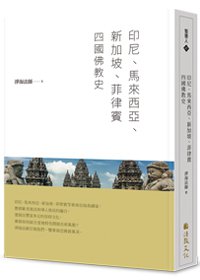
印尼、馬來西亞、新加坡、菲律賓四國佛教史
一睹東南亞佛教的風采不只是旅遊勝地,東南亞海島國:印尼、馬來西亞、新加坡、菲律賓,歷經歐美殖民和華人移民的融合,擁有豐富多元的信仰和文化寶藏。印尼、馬來西亞傳入佛教的歷史悠久,經歷迭起興衰;新加坡、菲律賓的佛教,雖起步較晚,卻成長快速。淨海法師長年深耕於佛教史研究,本書一覽佛教如何結合東南亞當地特色,開展出嶄新的風貌,在輝煌的弘法史頁中,走出新路。
作者簡介
淨海法師一九三一年出生江蘇泰縣。九歲出家,十六歲寶華山受戒,後就讀武進天寧寺佛學院。一九四九年到臺灣親近慈航法師,於彌勒內院修學十年。一九六○年赴泰國學習泰文及巴利文,受南傳比丘戒,住進泰寺僧團,並入朱拉隆功佛教大學攻讀。一九六九年轉赴日本,入東京立正大學研究,獲佛教學碩士學位。一九七二年受邀赴紐約弘法,一九七八年抱著拓荒精神去到美國南部休士頓,與師友合創德州佛教會,先後興建佛光寺、玉佛寺及美洲菩提中心;不分任何宗派和種族,推行現代化多元性弘法活動。現任德州佛教會傳燈長老、德州佛教書院院長。著有《唯識第一課——大乘廣五蘊論略解》、《南傳佛教史》、《覺海觀覽》、《佛國留學紀實》、《佛教史叢談散集》、《西方各國佛教略史》、《雲水十方──淨海法師佛教文集》等作品,並譯有《真理的語言──法句經》、《佛陀畫傳》等譯作。
作者
NT$
$421
|
78折

佛性思想(三版)
佛性(如來藏)思想由印度流傳至中國﹐經過千餘年的發展﹐可謂源遠流長﹐其思想複雜且豐富﹐對由中國佛教有很深遠的影響﹐如天台宗、華嚴宗、禪宗等都是建立在佛性的思想上。本書共收六篇專文﹐前三篇是印度佛教中有關 佛性思想之經論的研究﹐即《大般涅槃經》、《寶性論》、《佛性論》的佛性思想。第四篇討論《大乘起信論》的心性說。第五篇討論初唐性宗和相宗關於「一性」、「五性」的爭辯。最後一篇則是從天台宗主張草木有性談到現代 深層生態學﹐以論證佛性說可為現代生態學的哲理基礎。
作者簡介:釋恆清1943年生,台南新營人。美國威斯康辛大學佛學博士。曾任台灣大學哲學系教授、法光佛教文化研究所所長、臺灣大學佛學研究中心主。著有Syncretism of Ch''an and Pure Land Buddhism、《菩提道上的善女人》、《佛性思想》等中英文專書及多篇期刊論文,並英譯《優婆塞戒經》 (The S?tra on Upasak Precepts)、《四十二章經》、《心經幽贊》等。
作者
NT$
$272
|
85折

唯識三論今詮 (三版)
唯識學是一門哲理深奧而名相繁瑣的學問。唯識宗所依的經典,由梵文翻譯的,有所謂「六經十一論」、「一本十支」;而中國歷代大師的著述,除糅合十家釋論譯出的《成唯識論》外,又有詮釋《識論》述記、樞要、演祕、了義 燈等一系列的注疏。這就使一個初學唯識的人,有不知由何處下手之苦。因此本書為初學唯識者的入門書籍,由《百法明門論》的略陳名數,《大乘五蘊論》的粗釋體義,《唯識三十論》的高建法幢,由此即可跨入唯識之門。
作者簡介
于凌波河南洛陽人,1927年生。國防醫學院畢業,公務員特考甲種衛生行政人員及格。1963年與李炳南、朱斐居士等創辦佛教菩提醫院,任院長;創辦菩提救濟院,任常務董事。1969年創設普濟聯合醫院,任院長。1970年創辦開明高級中學,任董事長。1961年,納贄拜雪廬老人李炳南居士門下學佛,並皈依懺雲法師,成為一名在家清信士。晚年退休後,摒絕世務,專心投入佛學研究及弘法事業,在臺北、臺中多處講堂開佛學講座,在南北多處佛學院所任教。曾任紐約世界宗教研究院研究員、李炳南居士紀念文教基金會董事長,2005年逝世。佛學著作三十餘種,以佛門人物傳記及唯識學相關講記為主。如《改變歷史的佛教高僧》、《釋迦牟尼與原始佛教》、《唯識三論今註》等。
作者
NT$
$357
|
85折

公案禪語 (四版)
禪宗在中國哲學史上是一株難得的奇葩,公案禪語的表達,其思路之玄妙、技巧之精鍊,已達出神入化的境地。不過因為時空與情境的隔閡,有必要通過一定的疏解與闡釋,才能掌握其中精義。本書第一部分為作者所選四十則重要公案,每一則都表現了禪宗思想的某一特色,同時也代表禪宗法統上的繼承脈絡。作者的解說,不僅化深奧為簡易,前後通讀,可視為一部小型的禪宗思想史。第二部分為《無門關》一書的註解,該書在日本與《碧巖錄》齊名,在美國也有數種譯本,但在中土卻早已失傳。作者所作的《無門關》註解,無異是原璧歸趙,讓這部流落異鄉數百年之久的寶典,重現光華。
作者簡介
吳怡浙江青田人,1939年生。國立臺灣師範大學中文系學士,文化大學哲學碩士,國家文學博士。曾任文化大學哲學系及研究所主任,現任美國加州整體學研究所教授,專授《易經》、儒家、道家、禪宗及中國哲學史等課程。著有《禪與老莊》、《逍遙的莊子》、《中庸誠的哲學》、《哲學演講錄》、《中國哲學史話》、《中國哲學發展史》、《新譯老子解義》、《新譯莊子內篇解義》、《生命的轉化》等中文著作二十冊,並有《老子翻譯》、《禪心》、《中國哲學的術語》、《關心茶》、《易經與易德》等英文著作五冊。
作者
NT$
$179
|
85折

花地藏
幽花綻放,石頭重生了。
山頂有顆大石頭,總向萬物驕傲宣告自己才是世界第一。但,突如其來的地震令它措手不及、跌落河中──直到某日,一位老石匠發現它,認為這真是世間難得的好石材,決議好好雕琢一番。大石頭日夜期待自己能真正成為「世界第一」的雕像時……未料,老石匠卻突然失蹤了!這本圖畫書的文圖織就成閱讀上一股蘊藏在內斂之中的勁道。圖畫作者初次閱覽文本時,字句已如隨風種子、在呼吸起落間安放心中,把感動綻放成一幅幅用色典雅溫潤,勾勒線條自在婉約的畫面。期望當讀者閱讀萬這個故事時,闔上眼,故事即浮現腦中,撫順任何心中的不安與騷動,為任何失落的、荒蕪的、鬱沉的漫長等候,帶來微光照路。本書特色※ 使茫然、困頓的人們心志明亮而堅毅起來。
※文字語氣、圖像氛圍可分別視作兩條具有獨自色彩的平行線,卻又交會和碰撞在經閱讀才有的感動餘韻裡。※故事情節和視覺效果,就在具體形象和抽象感官裡轉換、穿梭,讓心靈在閱讀上留白,思緒走進山海寬闊中。
作者簡介
海狗房東主修德文與教育學,但長年不務正業。成年後才發現繪本,逾二十年仍熱愛不已。喜歡寫故事、翻譯故事、聽人說故事,況且,誰沒有故事?也鼓勵讀者別只是讀繪本,同時重讀自己的生命故事。或許《花地藏》不僅是我的故事,也是你的。除了故事寫作,也著有選冊專書《繪本教養地圖》;繪本評介多收錄於「海狗房東繪本海選」專頁。
繪者簡介
楊文正屏東潮州人,大學畢業後因緣際會負笈西班牙,因緣際會學畫、捏陶,二十年後與日籍妻子重返南國,在魚塭田野間開了一幢飄散日式侘寂之美的咖啡店。
生活創作外,為雜誌封面設計也為小鎮畫報,現在則為花地藏做書。人生的經歷總是用每個巧合與偶遇構築而成。
作者
譯者
楊文正
NT$
$272
|
85折

唯識學綱要(三版)
▲探討內心深處之實態,尋回人們真實的自我▲關乎宇宙的千年絕學,一探壓力和煩惱的根源唯識學是大乘佛教法相宗的宗義,其內容在闡釋萬法唯識的妙理,探討我人內心深處之實態,以尋回人們真實的自我。作者從唯識學的定義、源流切入,分論五位百法、五蘊、四大、八識、種子等唯識學上基本觀念,從歷史背景到生活應用,本書期能以深入淺出的手法,引領讀者一窺此千年絕學之奧祕。
作者簡介
于凌波(1927~2005)河南洛陽人。國防醫學院畢業。1963年與李炳南、朱斐居士等創辦佛教菩提醫院,任院長;創辦菩提救濟院,任常務董事。1969年創設普濟聯合醫院,任院長。1970年創辦開明高級中學,任董事長。1961年,納贄拜雪廬老人李炳南居士門下學佛,並皈依懺雲法師,成為一名在家清信士。晚年追休後,摒絕世務,專心投入佛學研究及弘法事業,在臺北、臺中多處講堂開佛學講座,並在南北多處佛學院所任教。有《改變歷史的佛教高偕》、《釋迦牟尼與原始佛教》、《唯識三論今詮》等三十餘種著作。
作者
NT$
$323
|
85折

禪思與禪詩:吟詠在禪詩的密林裡(二版)
本書分成兩大部分:第一部分簡要的介紹禪宗的思想;第二部份則將禪詩加以分類並賞析。所有的禪詩都錄自《指月錄》、《續指月錄》、《禪林類聚》、《碧巖錄》、《虛堂集》、《徑石滴乳集》等禪宗典籍,因此,所有的禪詩都是禪師所作,不同於一般討論禪詩的作品,只是針對王維、蘇東坡等歷代文人的詩作,而作「禪意」的比附;另一特色則是:禪詩的賞析,並非從字義、名詞的註釋、解說入手,而是從禪師的思想及其悟境入手。作者隨興闡述每首禪詩中的思想內涵及其玄妙深奧的悟境,不同於一般討論禪詩的作品,只作知識性的舖陳和解析。
作者簡介楊惠南臺中清水人,1943年生。臺灣大學哲學系退休。曾任現代佛教學會理事長,並於東海大學、文化大學、東吳大學、華梵大學、中華佛學研究所及法光佛教文化研究所兼任。曾開設佛教研究方法、禪宗哲理、天台宗哲學、三論宗哲學、印度哲學和臺灣佛教等課程。著作:《佛教思想新論》、《當代佛教思想展望》、《龍樹與中觀哲學》、《當代學人談佛教》、《惠能》、《禪史與禪思》、《禪思與禪詩》、《吉藏》、《印度哲學史》等。
作者
NT$
$255
|
85折

The Infinite Mirror 寶鏡無境(英文版)
Here is the inimitable Master Sheng Yen at his best, illuminating the ancient texts of the Chinese Zen tradition to show how wonderfully practical they really are, even for us today. The texts, written by two of the founders of the Ts’ao-tung sect of Chan Buddhism, are poems entitled Inquiry into Matching Halves and Song of the Precious Mirror Samadhi. Both emphasize the Chan view that wisdom is not separate from vexation, and both speak of the levels of awareness through which one must pass on the way to realization. Both are also works of Buddhist philosophy that can serve as guides to spiritual practice for anyone.
作者
NT$
$646
|
85折

〈破魔變〉中英對照校注
《〈破魔變〉中英對照校注》為敦煌寫卷的重要研究,〈破魔變〉講述佛陀成道時,遭逢魔王擾亂修行的故事。變文是受到佛教影響而興起的一種文學體裁,改寫佛經故事,讓故事更通俗易懂,將佛法的精神與意義深印人心,此種講唱佛經的方式,深深影響了中國文學和戲劇的發展。二○一五年七月至二○一七年三月,中華佛學研究所洪振洲教授與根特大學根特佛學研究中心(Ghent Centre of Buddhist Studies at Ghent University)安東平(Christoph Anderl)教授合作主持「中古佛教寫本資料庫編碼」專案,將部分敦煌佛教寫卷進行整理與數位化;二○一七年再設立「敦煌寫卷〈破魔變〉中英對照本專案」,將〈破魔變〉寫卷再次進行校注與整理,並出版本書。為方便中、西方讀者閱讀,書中附有〈破魔變〉寫卷彩圖,並將寫卷內容楷定成現代通用的正字,同時製作異體字表、通假字表,及提供中、英文的校勘與註解,以利讀者參照研究,能深入理解寫卷,感受變文之美,並體會佛法真義。
作者簡介
洪振洲(「中古佛教寫本資料庫編碼」專案主持人)臺灣科技大學資訊管理系博士,法鼓文理學院佛教學系專任副教授兼任圖書資訊館館長。他的研究興趣包含漢譯佛典作譯者分析、數位典藏專案建構、數位人文研究資源開發與數位文字處理議題,目前參與許多由法鼓文理學院執行的數位典藏計畫。安東平 Christoph Anderl(「The Database on Medieval Chinese Dunhuang Texts 」project director)Christoph Anderl is a Professor of Chinese Language and Culture at Ghent University. He has an MA in Chinese Studies from Vienna University, and a PhD in Chinese Linguistics from Oslo University.Anderl's research focuses on Medieval Chinese language and literature, with an emphasis on vernacular texts and Dunhuang manuscripts, Medieval Chan Buddhism, and the interplay of text and image in the transmission of Buddhist narratives.
NT$
$240
|
5折

藏傳佛教在臺灣
當鐵鳥飛翔、鐵馬奔騰之際,藏人會散佈到世界的每一個角落。佛法將弘揚到紅皮膚人的大地上。
公元八世紀藏傳佛教密教開山祖師 蓮花生大師
本書採宗教社會學角度,以田野調查的第一手資料,完整呈現藏傳佛教在臺灣「宗教奇蹟」之全記錄。內容涵蓋藏傳佛教的歷史、派別、特色,以及來臺初期的發展歷程,探討其中所面臨的文化變遷與未來展望。是了解藏傳佛教在臺灣最富學術參考價值的寶藏。
●作者簡介
姚麗香
◎臺灣大學社會學研究所博士候選人◎曾任輔仁大學社會學系講師◎行政院國科會補助「臺灣地區光復後佛教變遷之探討」專題研究計畫◎參與中央研究院「臺灣新興宗教現象及相關問題研究」計畫
作者
NT$
$170
|
85折

幸福廚房
這是一本有生命厚度的美食故事書,也是嚴謹精緻的素食料理工具書,邀請您一起来,用「心」與美食探戈,跳脫傳統食譜的格局:
步入廚房,幸福翩然而來,歡笑俯拾即是~道道佳餚,是主廚們用生命書寫的交響詩篇~希望與您有緣相逢,以心相印,携手合奏~
主廚老師們用生命錘練的底蘊,緩緩道來「禪悅為食」、「大地唯美」和「家家幸福」的幸福足跡~
禪心巧廚領我們步入「禪悅為食」的世界,她說:「做菜的過程,本身就是一段禪修!」烹食時念念攝受安定,品嚐者也能同步相應那一份禪心。
天香妙廚帶我們回到「大地唯美」的最初,她的家常菜餚,有時「柔情相融踏實」,有時「熱情遇上包容」,更有時時「天地無處不自得」的幸福!
蜜糖喜廚歡樂無限的家庭幸福時光,其實一直都在。訪一趟她的幸福廚房,邁向的是「家家幸福、日日幸福日」的美好——歡迎大家扶老攜幼一起「晨‧元氣幸福」、「午‧飽滿幸福」、「歸心似箭‧幸福」和「團圓‧全家真幸福」。
《幸福廚房》處處可見佛法禪悅的生活性以及幸福廚房課程團體烹飪的趣味性。美食和心的互動,也帶出許多新住民學員動人的生命故事,從原生文化到台灣社會生活的歷程中,參與幸福廚房課程的契機,往往也是其生命舉足輕重的轉捩點。
《幸福廚房》每個美食篇章都藏著三德六味,每道佳餚都傳遞著簡單的生活「心」體驗──因為簡單而美好,因為動人而精彩!這是值得期待的素食工具書,也樂於見到它為每個家庭的餐桌,注入滿心幸福的味道!
作者簡介
王惠淑
法鼓山創辦人聖嚴法師皈依弟子法鼓山香積組主廚義工二十餘年法鼓山新住民安坑國小幸福廚房資深主廚講師法鼓山德貴學苑「解禪蔬食」創店資深主廚義工終身學習、無限創新、盡心奉獻的快樂銀髮族!
林麗華
經營管理萬里區知名大型餐廳十餘年法鼓山社會大學素食課程主廚講師法鼓山新住民萬里國小幸福廚房主廚講師法鼓山天南寺早齋主廚義工以歡喜心掌握食材特性,在畫筆和文學氛圍中,煮一頓生命甘甜的料理,在幸福廚房裏,遇見簡單質樸!
王秀勤
新北市金美國小及附設幼兒園主廚媽媽十七年法鼓山社會大學素食與烘焙課程主廚講師法鼓山世界佛教教育園區及社會大學長期義工主廚家學代代相傳,涵容集體智力積極創新,用心推廣回歸家庭的幸福美食。
文字作者簡介
頤嵐達(黃儀娟)北京大學心理學博士候選人法鼓山社會大學英語與寫作講師法鼓山長期義工、專案約聘亦為自由文字工作者、自由譯者願為「比鄰幸福而居」的心靈牧人文字創作:《幸福廚房》、《一路向北》譯作:《社會學-精華版》、《次級資料研究法》
攝影者簡介
李東陽從事攝影工作二十餘年現為法鼓文化特約攝影里金館攝影工場攝影師自然本質花草皂作皂師自認是非常簡單的人,總說「拍照,拍照,就是愛拍照」。因為簡單,反而拍出直指人心的照片,因為「那都是事物本來的樣子」。
NT$
$323
|
85折

佛教與中國文化
佛教與中國文化密不可分,要了解中國文化,不可不認識佛教。東初老和尚詳解中國文化的佛教珍寶,讓我們繼往開來,開創新文化!
佛教與中國文化的關係密切,佛教帶來了前所未有的全新思考、創造活力,豐富了中國文化寶藏,而佛教在中國化的過程裡,也茁壯了發展力量。東初老和尚致力於發揚佛教文化與復興中華文化,為研究佛學與中國文化的文化先鋒,《佛教與中國文化》一書具有承先啟後的重要意義。內容豐富多元,主要研究年代自漢代開展至明清,橫跨兩千年,詳述中國文化與佛教交流、蛻變的發展歷程,是一部波瀾壯闊的精彩文化史。
本書探究主題包括:一、文學:佛教對中國翻譯文學、小說、聲韻學、變文、寶卷等的影響;二、思想:佛教與儒家、道家、玄學、理學的融合,以及漢代佛學思想、僧肇與道生的佛學思想;三、文化:佛教與中國民俗、衣冠的關係。
東初老和尚深入探討佛教與中國文化的交融與影響,並旁徵博引許多珍貴文獻資料,讓人易於理解佛教與中國文化的發展歷史、文學瑰寶、思想精華,進而思考現代文化如何繼往開來,氣象一新。
作者簡介
東初老和尚1907年,出生於江蘇泰縣曲塘鎮。十三歲時,由泰縣姜堰鎮觀音庵的靜禪老和尚披剃出家,誦習教法。自幼勤讀強記,自律甚嚴,又寫得一手好文章,智慧超邁,對於經史百家之學也頗多涉獵,許為弘揚佛法的龍象。
1928年,到鎮江竹林寺的佛學院求學;1929年,到寶華山隆昌寺,受具足戒。隨即又到福建廈門,進入太虛大師所創辦的閩南佛學院繼續深造,先後期的同學有印順、竺摩、戒德、默如、慈航、雨曇、覺民等法師,都是一時的俊秀。孺慕在當時佛教界的最高學府中,對日後的治學和弘化研究工作,產生了一定的影響。
東初老和尚是太虛大師的學生,在擔任鎮江焦山定慧寺監院及方丈期間,創辦了佛學院及佛學期刊。1949年來臺之後,創辦了《人生》雜誌;1955年,倡導影印《大正新脩大藏經》,社會各界政要賢達百餘人發起響應,重興佛教文化;1965年,又創辦了《佛教文化》季刊;1967年,中華學術院聘請為該院佛學研究所顧問,從此少問外務,專事佛教著作。晚年,老和尚深感護教弘法必須以歷史為基礎,盡力精心完成了《中日佛教交通史》、《中印佛教交通史》、《中國佛教近代史》三部鉅著。
他的一生對佛教的文化教育,抱有深切的使命感,以及崇高的宗教情操,於此可見一斑。
作者
NT$
$110
|
5折

看見法鼓山最美的風景:義工身影 (攝影集)
什麼是法鼓山最美的風景?因為一個共同的願,而有一條共同的路,而有一樣的身影,不論名字、不論身分、不論親疏,來的都是義工,都是一家人。這些義工身影織就了法鼓山的福田衣,織就了人間淨土最美的風景。
作者簡介
李東陽
從事攝影工作二十餘年現為法鼓文化特約攝影里金館攝影工場攝影師自然本質花草皂作皂師
NT$
$624
|
78折

創意佛藝好好玩:20種佛教手作藝術輕鬆上手
20種創意實用的手作佛藝,教你從書畫基礎開始,學會自由應用好本領,輕鬆打造禪味的生活美學。
佛藝的生活趣味,無所不在!喜氣洋洋的春聯,若親筆揮毫法語分贈親友,就能廣結善緣過新年!在陶杯、陶盤、印章、紙扇、衣服上,創作佛畫、書寫禪詩,更是匠心獨具的好禮物!
佛教藝術看似一門博大精深的學問,想要自己動手試試看,其實並沒有想像中那麼難,可以輕鬆簡單地從中國書畫基礎開始,在練習中體會創作的奧妙。本書收錄了吳大仁老師20種佛藝手作示範,內容包括臨帖、書法、禪畫、篆刻、拓印、陶藝、木刻、題字摺扇,以及製作鈔經本、春聯、燈籠、手繪衣服……,種類豐富多元,可自由變化應用。
全書以方便的工具、簡單的作法為原則,能快速掌握創作要領,輕鬆揮灑佛藝美學,讓你的生活充滿自在禪意!
作者簡介
口述.示範者:吳大仁現任華梵大學中文系助理教授、佛教蓮花基金會董事、圓光佛學院大學部老師、中華民國書法教學研究學會顧問等多項職務,擅長書法、篆刻、禪畫創作,自許「以書畫弘揚佛法,以篆刻契悟禪心」,創作力豐富,迄今已於海內外舉辦20次個展。
撰稿.攝影者:張錦德文化大學中文系文藝組畢業,中國文學博士候選人,曾任法鼓山《人生》雜誌採訪組長,現任臺北市文化局《文化快遞》、《文化快遞MAP》特約採訪。喜歡到處旅行、拍拍照,用文字寫下人生百態。
攝影者:李東陽從事攝影工作二十餘年,現為法鼓文化特約攝影、里金館攝影工場攝影師、自然本質花草皂作皂師。
NT$
$311
|
78折

陳那大師傳:中世紀正理學之父
陳那大師是印度瑜伽行派論師。 陳那大師是印度瑜伽行派論師。他出生於婆羅門家庭並接受良好的婆羅門教育,舉凡天文、地理、文學、祭祀無不精通。及長,先投佛教的犢子部出家,後跟隨世親學習,開始其一生為佛教事業奮鬥的弘法歷程。 大師對佛教的貢獻,不僅是對心識上的分析,更開闢出佛教的五明之一~因明學,而且在運用因明與人辯論的過程中,獲得了「論辯牛王」的稱號。 因其在因明學方面留有不朽之功積,集因明說之大成,始創「新因明」,造成印度理學劃時代之新理程,被稱為中世紀正理學之父,或新因明之祖。 ●作者簡介: 徐東來,一九六五年六月出生,江西人。一九八八年畢業於江西師範大學法律政治系,後入海華東師範大學哲學系專攻中國邏輯史和佛家邏輯學〈因明〉,一九九一年獲哲學碩士學位。曾發表《法稱與陳那邏輯思想之差異》、《法稱評傳》等因明及邏輯方面的論文十餘篇。 商品編號:1150520851
作者
NT$
$213
|
85折

正在載入更多商品......